
Please join the Harriman Institute for a Director’s Seminar with Postdoctoral Research Scholar Hilary Lynd. Moderated by Valentina Izmirlieva.
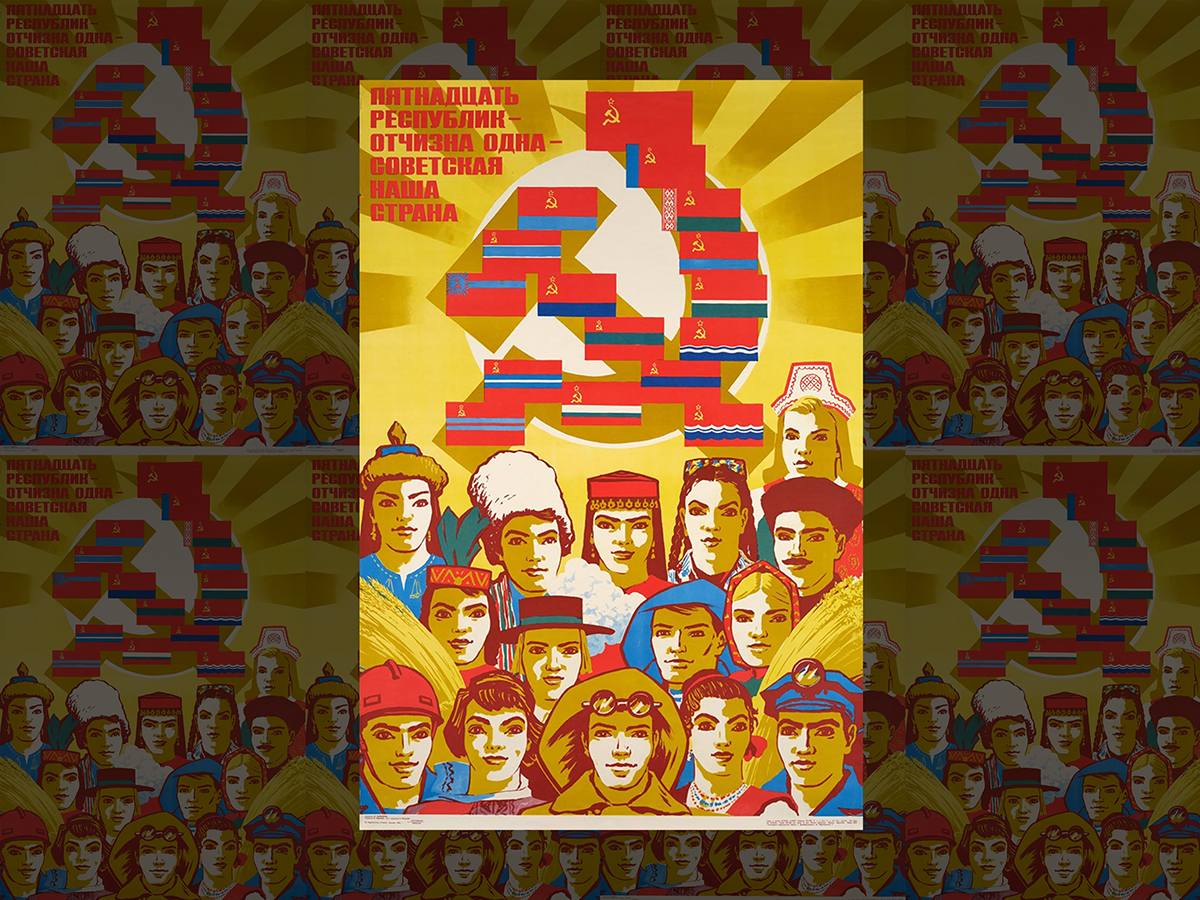
The Soviet Union and South Africa were laboratories of diversity with global importance in the twentieth century. People from elsewhere used the examples of Soviet nationalities policy and South African apartheid to think about how (and how not) to organize ethnic and racial differences. This paper draws from Lynd’s book project, Homelands: Together and Apart in the Soviet Union and South Africa. Homelands connects and compares the histories of two regimes of difference: how they functioned, how they interacted, and how they collapsed alongside one another in the early 1990s. Soviet nationalities policy and South African apartheid were tied together not only by a common set of concerns, but by several decades of connection. Centering the perspectives of people from both places who interacted with each other, this study offers fresh ways to engage the fraught politics of multinational coexistence and ethnonational autonomy in unequal societies.
 Hilary Lynd is a historian of modern Eurasia and Africa, specializing in the histories of the Soviet Union and South Africa. She completed her Ph.D. at the University of California, Berkeley, and she is now a postdoctoral research scholar at the Harriman Institute. Broadly, Hilary is interested in the politics of ethnicity, nation, and race—how ideologies give meaning to human variation, how states categorize their populations, how human beings live inside the categories they have been assigned, and how activists set about transforming regimes of difference.
